

How Hands-On Work Can Help Men Rebuild Confidence in Recovery
Confidence is one of the first casualties of addiction, and for many men, it does not return simply because sobriety begins. Recovery requires more than abstinence; it requires rebuilding a sense of identity, capability, and self-worth that substance use has often eroded over years. Hands-on work offers a practical path into that process.
Through small, concrete tasks with visible results, men in recovery can begin to accumulate real evidence of their own competence, gradually replacing shame and self-doubt with a more grounded and accurate sense of who they are becoming.
Why Confidence and Self-Esteem Drop in Men's Recovery
Even while doing the hard work of getting sober, many men experience a significant drop in confidence and self-esteem. Substance use often contributes to damaged relationships, missed opportunities, and decisions that generate lasting shame and guilt.
The addiction specialists at Mountain Valley Recovery, a prominent men-only drug rehab in Utah, note that in many cases, substance use begins as an attempt to escape harsh self-criticism or emotional discomfort. That pattern tends to reinforce negative core beliefs and can lead to a persistent sense of failure or hopelessness. During recovery, low self-esteem often shows up as dismissing self-care as "selfish," defaulting to a victim mindset, or avoiding honest reflection and accountability.
Setting realistic, attainable goals and learning to accept specific, accurate praise can help restore a more stable sense of identity. This process can reduce shame, improve emotional regulation, and lower the risk of relapse driven by self-criticism or feelings of worthlessness.
How Hands-On Work Rebuilds Confidence and Self-Worth
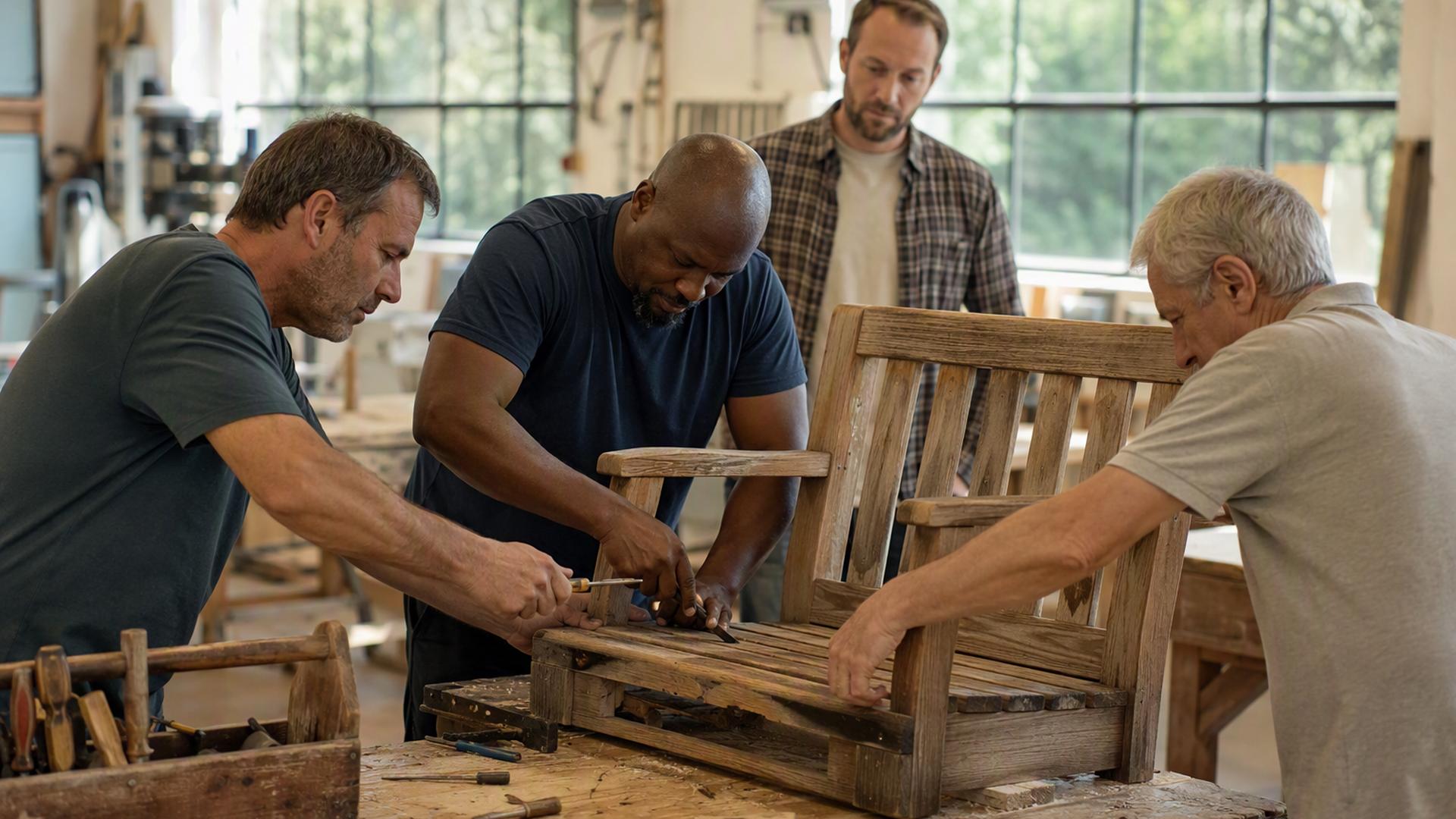
Hands-on work plays a practical role in rebuilding confidence during recovery. When you engage in tasks that produce visible, concrete results, you get immediate feedback that you can start, sustain, and finish something. Each completed task is a small behavioral success, one that supports the belief that you're capable of follow-through.
Choosing the type of work and committing to it also supports a sense of self-determination, which research in psychology consistently links to greater motivation and well-being. Regular routines create observable patterns of reliability: showing up consistently and improving skills over time. External feedback about dependability and effort, when it's specific and sincere, can help you update how you see yourself in a more accurate direction.
Contributing through practical service or support to others is also associated with increased feelings of usefulness and social connection, both of which can counter shame and reinforce a more stable sense of self-worth.
Hands-On Activities That Build Self-Esteem in Recovery
Instead of waiting to "feel better" first, you can use simple, practical activities to gather real evidence that you're capable and making progress.
Start with structured, repeatable tasks. A short walk each morning, a brief check-in with yourself each night, or one genuine interaction with another person each day. These are specific behaviors you can track, which makes progress visible.
Set clear, measurable goals. Completing one sober day at a time, having one honest conversation, or cooking one reasonably healthy meal. Goals like these are concrete and can be evaluated at the end of the day without overthinking.
Build basic routines. A regular sleep schedule, some form of physical movement, and eating at consistent times can help regulate mood and energy, which directly affects how you feel about yourself.
Engage in prosocial behaviors. Holding a door, checking in on someone, supporting a newcomer in recovery, or volunteering.
Try written affirmations, but keep them realistic. Statements like "I am making an effort to change" or "I handled today as well as I could" are most effective when they're specific, believable, and tied to behaviors you're actually practicing. Reading them once a day over several weeks can contribute to a more balanced self-view.
Starting Hands-On Work Safely in Early Recovery
As you begin using small, practical actions to rebuild self-esteem, it's important to choose work that's safe and appropriate for where you are in recovery. Start with low-risk, time-limited tasks: basic cleaning, organizing a drawer, or preparing a simple meal.
Limit yourself to one manageable task per day to reduce the chance of feeling overwhelmed. Planned rest is not optional; it helps prevent the fatigue and irritability that can increase vulnerability to relapse.
Follow the structure your counselor or treatment program recommends. Stay hydrated, keep your workspace free of clutter, use appropriate tools, and avoid environments or situations associated with substance use or other high-risk behaviors.
If you notice an increase in urges, cravings, or shame while working, pause and use a coping strategy before continuing. Brief walks, journaling, grounding exercises, or reaching out to a trusted support person are all evidence-based options. Once the emotional intensity passes, you can decide whether to resume the task or shift to something else that supports your recovery.
Turning Hands-On Wins Into Lasting Self-Esteem
Turning small wins into more stable self-esteem means treating each completed task as real evidence of your progress, not just something to check off. Keep a record of specific actions: a workout finished, a meal cooked, a project wrapped up, another day sober. That record becomes something concrete to look back on when confidence dips.
Break larger goals into smaller steps so each one can serve as a milestone. After completing a task, take a moment to acknowledge the effort. Something as simple as "I followed through on what I planned" can link the behavior to a more positive self-view over time.
When goals aren't met, self-compassion and honest reflection work better than harsh self-criticism. Identify what got in the way, adjust the plan, and try again without labeling yourself a failure. And when someone offers a compliment, a straightforward "thank you" goes further than dismissing it. Letting that feedback land is part of building an accurate picture of your own strengths.
Conclusion
Recovery is a process that demands patience, consistency, and a willingness to show up even when progress feels slow. Hands-on work offers something concrete in the middle of that uncertainty: tangible evidence that change is happening. Each small task completed, each routine maintained, and each moment of honest self-reflection contributes to a foundation that grows stronger over time. Confidence in recovery is not a feeling that arrives on its own. It is built, steadily and deliberately, through action.